- Your cart is empty
- Continue Shopping




-10%

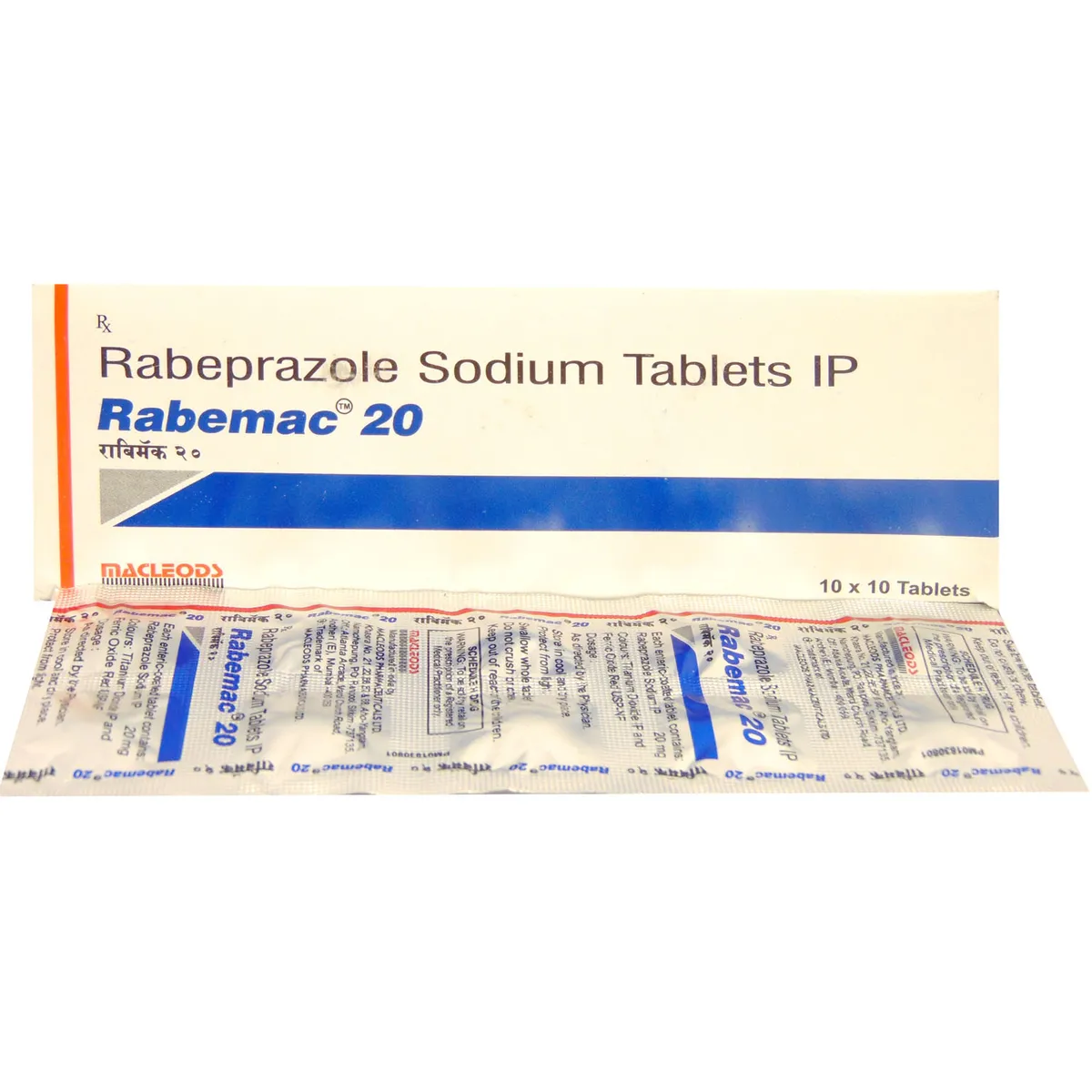
Rabemac 20mg Tab 10’s
₹89.02Current price is: ₹89.02. Original price was: ₹98.91.
Add to cart
Buy Now
Product introduction
Rabemac 20 Tablet is a medicine that reduces the amount of acid produced in your stomach. It is used in the treatment of acid-related diseases of the stomach and intestine such as acid reflux, peptic ulcer disease, and Zollinger-Ellison syndrome. It provides relief from symptoms and promotes healing.
Rabemac 20 Tablet medicine should be taken one hour before a meal, preferably in the morning. The dose will depend on your underlying condition and how you respond to the medicine. Try to take it regularly at the same time each day as advised by your doctor. You should keep on taking it as prescribed even if your symptoms disappear quickly. You may be able to help improve your symptoms by eating smaller meals more often and avoiding caffeinated drinks like tea and coffee, and spicy or fatty foods.
This medicine’s most common side effects include nausea, vomiting, headache, dizziness, flatulence, diarrhea, and stomach pain. These tend to be mild but talk to your doctor if they bother you or do not go away. The risk of side effects may increase the longer you take this medicine. Long-term use (more than 1 year) may increase your risk for bone fractures, especially with higher doses. Talk to your doctor about ways to prevent bone loss (osteoporosis), like taking calcium and vitamin D supplements.
Uses of Rabemac 20 Tablet
Rabemac 20 Tablet is used to treat the following conditions:
- Gastro-oesophageal Reflux Disease (GERD): Relieves heartburn and acid reflux by reducing stomach acid.
- Erosive Oesophagitis: Heals damage to the food pipe caused by excess stomach acid.
- Duodenal Ulcers: Helps heal sores in the upper part of the small intestine.
- Gastric Ulcers: Treats and heals ulcers in the stomach lining.
- Helicobacter pylori Infection (with antibiotics): Helps eliminate bacteria that cause ulcers.
- Zollinger-Ellison Syndrome: Controls excessive acid production in the stomach.
Related products




Reviews
There are no reviews yet.